Understanding Your Income
The first step to effective daily budgeting in Uganda is understanding your income. This means knowing exactly how much money you earn each day, week, or month after taxes and other deductions. For many Ugandans, income can be variable, especially for those involved in agriculture, small businesses, or informal employment. Therefore, it’s crucial to track your income diligently.
- Document all sources of income: Include your primary job, side hustles, remittances, or any other income streams.
- Calculate net income: Subtract taxes, SACCO contributions, and other mandatory deductions to determine your take-home pay.
- Use a budgeting app or spreadsheet: Tools like Google Sheets or mobile budgeting apps can help you track your income accurately.

Needs vs. Wants: Prioritizing Your Spending
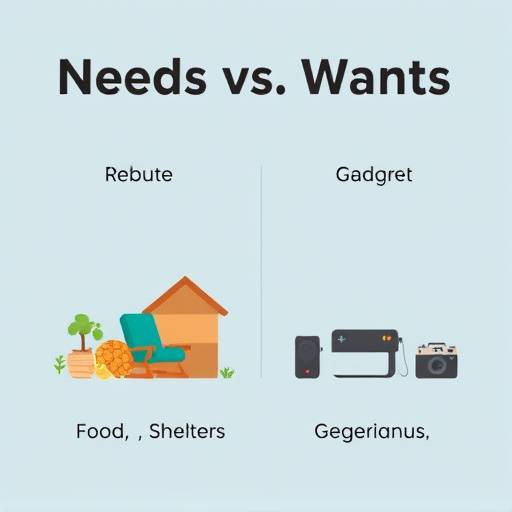
Distinguishing between needs and wants is fundamental to successful budgeting. Needs are essential for survival and well-being, while wants are discretionary expenses that enhance comfort or enjoyment. In the Ugandan context, this distinction is especially important due to resource constraints.
Common Needs
- Food: Basic staples like posho, beans, rice, and vegetables.
- Shelter: Rent or mortgage payments.
- Transportation: Commuting costs to work or school (e.g., boda-boda, taxi fares).
- Healthcare: Medical expenses and health insurance premiums.
- Education: School fees and scholastic materials for yourself or your children.
Common Wants
- Entertainment: Cinema tickets, eating out, or attending social events.
- Luxury items: Expensive clothes, jewelry, or electronics.
- Premium subscriptions: DSTV, Netflix, or Spotify.
- Unnecessary transportation: Taking a taxi when a cheaper option is available.
Learn to say "no" to wants and focus on fulfilling your needs first. This will free up more money for savings and investments.
Creating a Daily Budget
Creating a daily budget involves allocating your income to different expense categories. It provides a clear roadmap for how you'll spend your money each day and helps you stay on track with your financial goals.
- Calculate daily income: Divide your monthly net income by the number of days in the month.
- Allocate funds to needs: Prioritize essential expenses like food, transport, and rent.
- Set limits for wants: Allocate a small portion of your budget to discretionary expenses.
- Include a savings goal: Set aside a fixed amount each day for savings or investments.
- Be realistic: Ensure your budget is achievable and reflects your actual spending habits.
Example Daily Budget (Assuming a monthly income of UGX 500,000):
- Daily Income: UGX 500,000 / 30 days = UGX 16,667
- Food: UGX 6,000
- Transportation: UGX 3,000
- Rent Contribution: UGX 4,000
- Savings: UGX 2,000
- Miscellaneous: UGX 1,667
| Category | Amount (UGX) | Notes |
|---|---|---|
| Food | 6,000 | Breakfast and lunch expenses |
| Transportation | 3,000 | Boda-boda or taxi fares |
| Rent Contribution | 4,000 | Daily contribution towards monthly rent |
| Savings | 2,000 | For emergency fund or future investments |
| Miscellaneous | 1,667 | Unexpected expenses or small treats |
| Total | 16,667 | Total daily budget |
Tracking Your Expenses
Tracking your expenses is essential for identifying areas where you can cut back and save more money. It involves recording every shilling you spend each day and categorizing your expenses.
Methods for Tracking Expenses
- Notebook and Pen: A simple and affordable way to record your expenses.
- Mobile Apps: Numerous budgeting apps, such as Mint, YNAB (You Need A Budget), and local Ugandan apps, can automate expense tracking.
- Spreadsheets: Create a spreadsheet to categorize and track your expenses.
- Mobile Money Statements: Review your mobile money statements to see where your money is going.
Tips for Effective Expense Tracking
- Record expenses immediately: Don't wait until the end of the day to record your expenses, as you may forget some.
- Categorize your expenses: Group your expenses into categories such as food, transport, entertainment, and utilities.
- Review your expenses regularly: Analyze your spending patterns to identify areas where you can cut back.
- Be honest with yourself: Don't underestimate or omit any expenses, even small ones.
Building an Emergency Fund
An emergency fund is a savings account specifically set aside to cover unexpected expenses, such as medical emergencies, job loss, or car repairs. Having an emergency fund can prevent you from going into debt when faced with unforeseen circumstances.
Why You Need an Emergency Fund
- Provides financial security: It offers a safety net during unexpected financial crises.
- Prevents debt: It helps you avoid taking out high-interest loans to cover emergencies.
- Reduces stress: Knowing you have funds available for emergencies can reduce financial anxiety.
How to Build an Emergency Fund
- Set a savings goal: Aim to save at least 3-6 months' worth of living expenses.
- Start small: Begin by saving a small amount each day or week.
- Automate your savings: Set up automatic transfers from your checking account to your savings account.
- Cut unnecessary expenses: Identify areas where you can cut back on spending and allocate those funds to your emergency fund.
- Keep it accessible: Store your emergency fund in a liquid account, such as a savings account, that you can easily access when needed.