Understanding Mobile Money in Uganda
Mobile money has revolutionized financial transactions in Uganda, providing a convenient and accessible way to send, receive, and store money using mobile phones. Platforms like MTN Mobile Money and Airtel Money are widely used across the country, especially in areas with limited access to traditional banking services. This guide will help you navigate the world of mobile payments safely and efficiently.
The adoption of mobile money has significantly boosted financial inclusion, allowing more Ugandans to participate in the formal economy. From paying bills to receiving salaries, mobile money offers a secure and efficient alternative to cash transactions. Let's delve into the details of how it works and how you can make the most of it.
Security Tips for Mobile Payments
Security is paramount when using mobile money. Here are some essential tips to protect your funds and personal information:
Protect Your PIN
Never share your PIN (Personal Identification Number) with anyone, including family members or mobile money agents. Your PIN is the key to your account, and keeping it secret is crucial.
Verify Transaction Details
Always double-check the recipient's name and amount before confirming any transaction. Scammers often use similar names to trick users into sending money to the wrong account.
Be Wary of Suspicious Messages
Be cautious of unsolicited messages or calls asking for your PIN or other personal information. Legitimate mobile money providers will never request this information through these channels.
Use Strong Passwords
If your mobile money account allows you to set a password, choose a strong, unique password that is difficult to guess. Avoid using easily identifiable information like your birthday or phone number.
Regularly Review Your Transaction History
Check your transaction history regularly to identify any unauthorized transactions. If you notice anything suspicious, report it to your mobile money provider immediately.
By following these security tips, you can significantly reduce your risk of becoming a victim of mobile money fraud. Stay vigilant and protect your hard-earned money.
Managing Your Mobile Money Transactions
Effective management of your mobile money transactions is key to maintaining financial control. Here's how to stay on top of your transactions:
- Keep a Record: Maintain a record of all your mobile money transactions, including the date, amount, recipient, and purpose. You can use a notebook, spreadsheet, or mobile app to track your transactions.
- Set Transaction Limits: Consider setting daily or monthly transaction limits to help control your spending and prevent unauthorized access to your funds.
- Use Transaction Notifications: Enable transaction notifications to receive alerts whenever money is sent or received from your account. This will help you quickly identify any suspicious activity.
- Regularly Check Your Balance: Check your mobile money balance regularly to ensure it matches your records. This will help you detect any unauthorized transactions or errors.
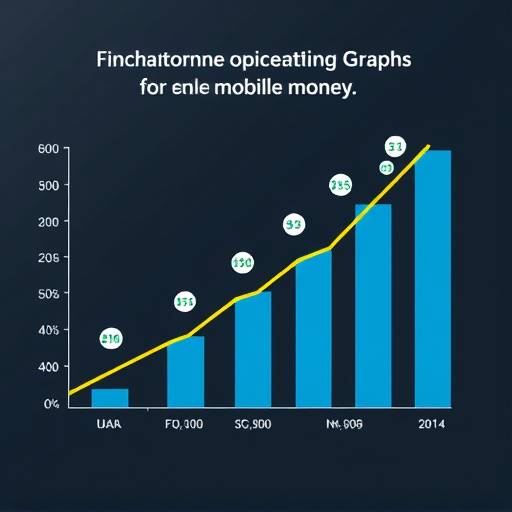
Proper transaction management not only helps you stay in control of your finances but also makes it easier to detect and prevent fraud. Adopt these practices to safeguard your mobile money account.
Budgeting with Mobile Money
Mobile money can be a powerful tool for budgeting and managing your finances. Here are some ways to integrate mobile money into your budgeting process:
- Allocate Funds for Specific Purposes: Use mobile money to allocate funds for specific expenses, such as rent, utilities, or groceries. This will help you stick to your budget and avoid overspending.
- Track Your Spending: Monitor your mobile money transactions to track your spending habits. This will help you identify areas where you can cut back and save money.
- Automate Savings: Set up automated transfers from your mobile money account to a savings account. This will help you save money consistently without having to manually transfer funds.
- Pay Bills Online: Use mobile money to pay your bills online, such as electricity, water, or internet. This will save you time and effort, and it will also help you avoid late payment fees.
By leveraging the convenience and accessibility of mobile money, you can streamline your budgeting process and achieve your financial goals. Start using mobile money to take control of your finances today.
Real-Life Scenarios and Examples
To further illustrate the practical use of mobile payments, consider these scenarios:
- Paying School Fees: Sarah, a mother of three, uses mobile money to conveniently pay her children's school fees every term, avoiding the need to travel to the bank and queue for hours.
- Receiving Payments for Goods: John, a local farmer, accepts mobile money payments for his produce at the market, making transactions easier and more secure for both him and his customers.
- Sending Money to Family: Maria, who works in Kampala, sends money to her parents in the village every month using mobile money, ensuring they have the funds they need for food and medical expenses.
- Paying for Transportation: Many boda-boda (motorcycle taxi) riders now accept mobile money payments, making it easier for commuters to pay for their rides without needing to carry cash.
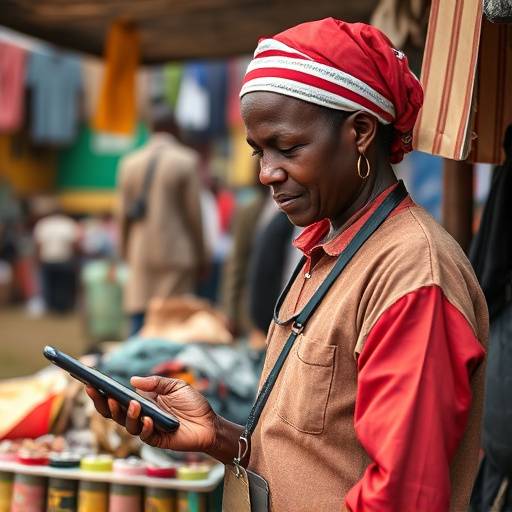
These real-life examples demonstrate the versatility and convenience of mobile payments in various aspects of daily life in Uganda.
Choosing a Mobile Money Provider
Several mobile money providers operate in Uganda, each with its own features, fees, and benefits. When choosing a provider, consider the following factors:
- Network Coverage: Select a provider with good network coverage in your area and the areas where you frequently transact.
- Transaction Fees: Compare the transaction fees charged by different providers for sending, receiving, and withdrawing money.
- Security Features: Look for providers with robust security features, such as two-factor authentication and fraud protection measures.
- Customer Support: Choose a provider with reliable customer support channels, such as a hotline or online chat, in case you need assistance.
- Additional Services: Some providers offer additional services, such as mobile banking, insurance, or investment options. Consider these services when making your choice.
Navigating to Other Pages
Explore our website to learn more about personal finance in Uganda:
- Home: Return to the main page for an overview of our resources.
- Daily Budgeting: Learn how to create and stick to a daily budget.
- Managing Expenses: Discover strategies for tracking and controlling your expenses.
- Success Stories: Read inspiring stories of Ugandans who have achieved financial success.
- Accessibility: Learn about our commitment to making our website accessible to everyone.