Effective Expense Management: Your Guide to Financial Control in Uganda
Managing expenses is a cornerstone of personal finance, especially in a vibrant economy like Uganda. Understanding where your money goes and developing strategies to control spending is crucial for achieving financial stability and reaching your financial goals. At Ekyooto Finance, we're dedicated to providing you with the tools and knowledge you need to take charge of your financial life. This guide provides practical advice and actionable steps to help you master expense management.
Identifying Your Spending Habits
The first step towards effective expense management is understanding where your money is going. Many people are surprised when they actually track their spending for a month or two. There are several methods you can use to identify your spending habits:
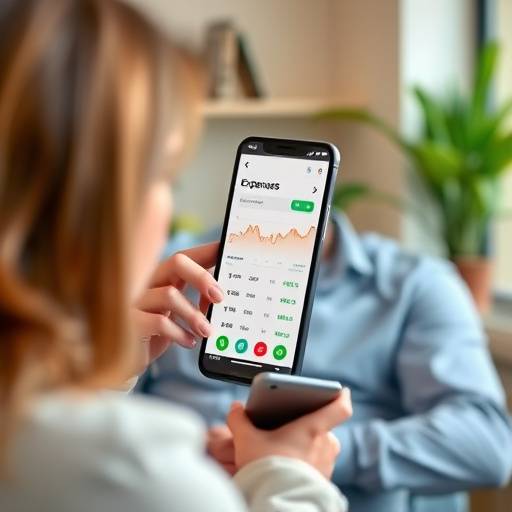
- Expense Tracking Apps: Utilize mobile apps like Spendee, Monefy, or even a simple notes app to record every transaction. Enter each purchase, no matter how small, as soon as possible.
- Budgeting Spreadsheets: Create a spreadsheet using Google Sheets or Microsoft Excel to categorize your expenses. Common categories include housing, transportation, food, entertainment, and utilities.
- Review Bank and Mobile Money Statements: Analyze your bank statements and mobile money records to identify recurring payments and spending patterns. This can be particularly useful for uncovering subscriptions or services you no longer need.
Once you have collected your spending data, analyze it to identify areas where you are overspending. Are you spending too much on eating out? Are there subscriptions you no longer use? Understanding your spending habits is the foundation for making informed decisions about your finances.
Reducing Unnecessary Expenses
After identifying your spending habits, the next step is to reduce unnecessary expenses. This doesn't necessarily mean depriving yourself, but rather making conscious choices about where you allocate your resources. Consider the following strategies:
- Cut Down on Eating Out: Cooking at home is almost always cheaper than eating out. Plan your meals for the week and prepare a shopping list to avoid impulse purchases. Consider packing your lunch instead of buying it.
- Review Subscriptions: Cancel any subscriptions you no longer use or need. This could include streaming services, gym memberships, or online publications.
- Negotiate Bills: Contact your service providers (e.g., internet, mobile phone) and negotiate for a better rate. You may be surprised at how much you can save simply by asking.
- Reduce Transportation Costs: Explore alternative transportation options, such as walking, cycling, or using public transport. If you own a car, consider carpooling to reduce fuel costs.
- Shop Around: Compare prices before making a purchase. Use price comparison websites or visit multiple stores to find the best deals.
By making small changes to your spending habits, you can significantly reduce your expenses and free up money for savings and investments. Remember, every shilling saved contributes to your financial freedom.
Real-life Example: Sarah, a teacher in Kampala, noticed she was spending a significant amount on boda-boda rides. By switching to using a bicycle for shorter distances and planning her routes more efficiently, she reduced her transportation costs by 40%.
Practical Saving Tips for Ugandans
Saving money is an essential component of expense management. Here are some practical saving tips tailored to the Ugandan context:
- Set Savings Goals: Define specific, measurable, achievable, relevant, and time-bound (SMART) savings goals. Whether it's saving for a down payment on a house, starting a business, or funding your children's education, having clear goals will motivate you to save.
- Automate Savings: Set up automatic transfers from your checking account to a savings account each month. This ensures that you consistently save money without having to think about it.
- Utilize Mobile Money Savings Accounts: Many mobile money providers in Uganda offer savings accounts with competitive interest rates. Take advantage of these options to grow your savings.
- Join a Savings Group (SACCO): SACCOs (Savings and Credit Cooperative Organizations) are popular in Uganda and provide a platform for individuals to pool their savings and access affordable loans.
- Take Advantage of Discounts and Promotions: Look for discounts and promotions on essential goods and services. Many businesses in Uganda offer discounts to customers who pay with mobile money or bank cards.
- Reduce Food Waste: Plan your meals carefully and only buy what you need to minimize food waste. Store food properly to extend its shelf life.

Case Study: David, a small business owner in Jinja, started saving 10% of his monthly income into a mobile money savings account. Over time, he accumulated enough savings to invest in expanding his business and increasing his profits.
Aligning Expenses with Your Financial Goals
Managing expenses is not just about cutting costs; it's about aligning your spending with your financial goals. Your financial goals should guide your spending decisions. Ask yourself:
- What are my long-term financial goals? (e.g., retirement, buying a house, starting a business)
- What are my short-term financial goals? (e.g., paying off debt, saving for a vacation)
- How can I adjust my spending to achieve these goals?
Prioritize your spending based on your financial goals. Allocate more resources to activities and investments that will help you achieve your goals, and cut back on expenses that don't align with your priorities.
Consider the following table showing a sample monthly budget alignment with financial goals:
| Category | Current Spending (UGX) | Revised Spending (UGX) | Notes |
|---|---|---|---|
| Housing | 400,000 | 400,000 | Rent is fixed. |
| Transportation | 200,000 | 150,000 | Reduced boda-boda rides by walking more. |
| Food | 300,000 | 250,000 | Cooking more meals at home. |
| Entertainment | 150,000 | 50,000 | Cutting back on unnecessary outings. |
| Savings | 50,000 | 250,000 | Increased savings allocation to achieve goals. |
| Utilities | 100,000 | 100,000 | Fixed costs. |
| Total | 1,200,000 | 1,200,000 |
This table demonstrates how reallocating expenses can significantly increase savings and help you achieve your financial goals more quickly.
Remember: Financial planning is an ongoing process. Regularly review your budget and financial goals to ensure that you are on track.
Expert Advice from Ekyooto Finance
According to Ms. Nakato Aisha, a financial advisor at Ekyooto Finance, "Effective expense management is not about restricting yourself; it's about making informed choices that align with your financial aspirations. By understanding your spending habits, reducing unnecessary expenses, and saving consistently, you can build a solid foundation for financial success."
Ekyooto Finance offers personalized financial coaching services to help you create a customized expense management plan that fits your unique needs and goals. Contact us today to schedule a consultation.
Ekyooto Financial Literacy Initiative
Plot 42, Kisasi Road, Kampala, Uganda
Phone: +256 073146746
Email: info@ekyootofinance.org
Website: www.ekyootofinance.org